Portugal property, explained plainly
Buying Property in Portugal as a Foreigner: The Step-by-Step Guide
Portugal is one of the easier countries in Europe for a foreigner to buy in. There are no nationality restrictions, the process is well trodden, and the paperwork is manageable. It is also a place where people sign too early, trust the wrong person, and learn later that the house, land or licence was not what they were told.
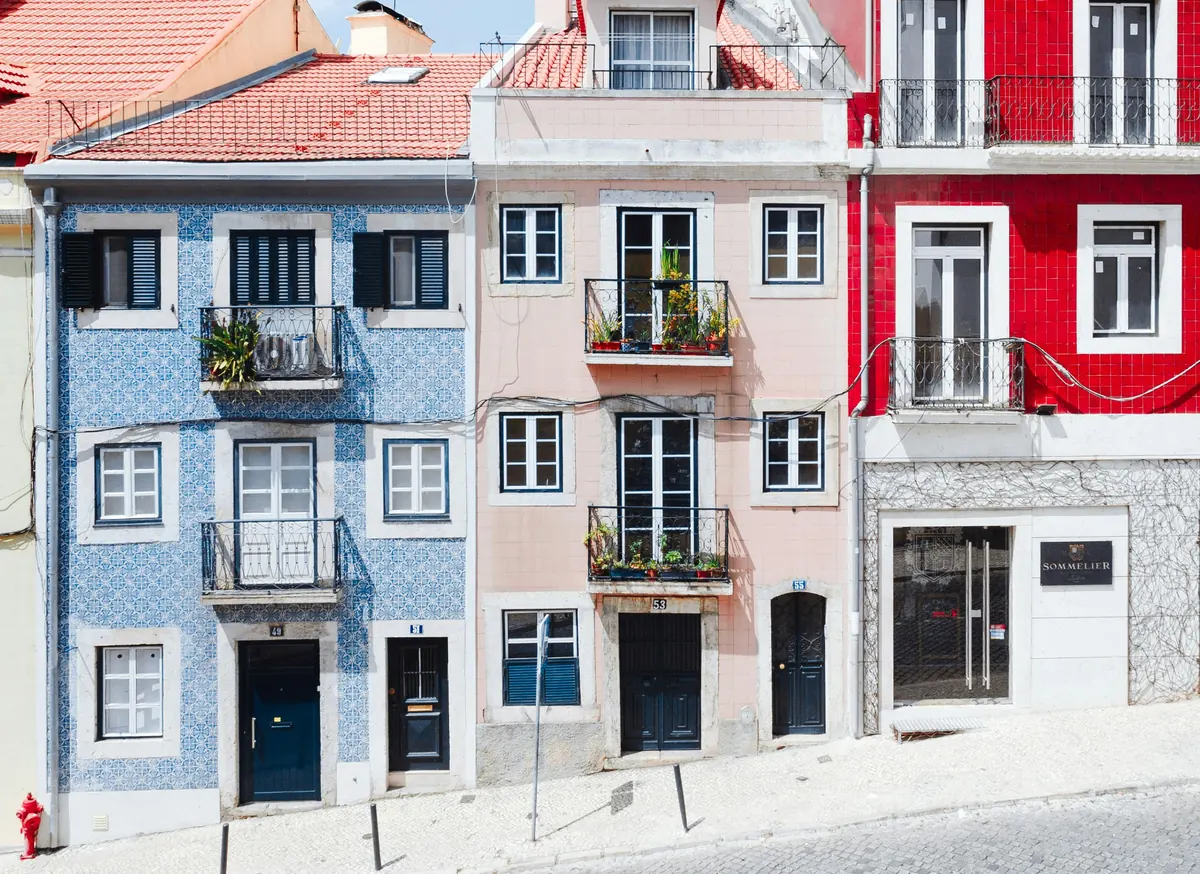
This guide walks through the purchase in the order it happens, with 2026 taxes, off-plan risks and the checks that protect you. It is written from the buyer's side of the table.
Tax figures are for mainland Portugal in 2026. Madeira and the Azores use different bands. Nothing here is legal or tax advice.
The buying process, step by step
Most purchases follow seven stages. The protective checks all sit before money changes hands, which is exactly why people sometimes try to rush you past them.
-
Before you view seriously
Get your NIF (tax number)
The número de identificação fiscal is needed for almost everything, from a bank account to the deed. Get one at a tax office, or through a lawyer if you are abroad.
-
At the same time
Sort out fiscal representation and a bank account
Non-residents from outside the EU and EEA generally need a fiscal representative, unless they sign up to receive tax notices electronically through the Portal das Finanças. A Portuguese bank account makes paying taxes and bills far simpler.
-
Before any reservation
Hire an independent lawyer
Choose an advogado or solicitador who works only for you, not one recommended by the seller or agent. A power of attorney lets them act while you are abroad.
Check: ask for a written fee quote and confirm they have no working relationship with the other side.
-
Before you sign anything
Due diligence on the property
Your lawyer should pull the land registry certificate (certidão permanente) for the owner and any charges, the tax record (caderneta predial), the energy certificate and the council's licensing history, then compare registered areas with what is really there.
-
Signing and deposit
The CPCV promissory contract
The contrato promessa de compra e venda fixes the price, the deadline for the deed and any conditions, such as mortgage approval. A deposit of around 10% to 30% is typical. Under the Civil Code, a buyer who walks away normally loses the deposit, and a seller who walks away normally owes double.
Check: signatures should be certified, the contract should say what happens if the deed date slips, and a mortgage condition should let you out with your money back.
-
Days before completion
Pay IMT and stamp duty
Both taxes are paid before the deed, on the higher of the price and the property's tax value (VPT). Your lawyer generates the payment slips.
-
Completion
The escritura and registration
The deed (escritura) is signed before a notary, lawyer or at a Casa Pronta desk, and the balance is paid. The purchase must then be registered in your name at the land registry. Registration is what protects you, so make sure it happens.

Taxes when you buy, and every year after
IMT: the transfer tax
IMT is the big one. For residents it runs on sliding bands, raised by about 2% for 2026. A home you will live in permanently is exempt up to €106,346. A second home or investment pays from 1% on the first euro. Both climb to a flat 6% and then 7.5% above €1,150,853. Rural land pays a flat 5%.
The 2026 change most foreign buyers miss: Decree-Law 97/2026 introduced a single 7.5% IMT rate for buyers who are not tax resident in Portugal when they buy residential property. There is no exempt band and no sliding scale. You can reclaim the difference if you become tax resident within two years, or if you let the property long term at a capped rent under the law's conditions. Published sources disagree on the exact start date, so confirm your position with your lawyer before you sign the CPCV.
Stamp duty
Imposto do Selo is 0.8% of the price on the purchase itself. If you take a mortgage of five years or more there is a further 0.6% on the loan amount.
IMI: the annual council tax
IMI is charged every year on the tax value (VPT), not the price. Each council sets its urban rate between 0.3% and 0.45%. Rural land pays 0.8%. You can look up each council's rate on the Portal das Finanças. Holdings above €600,000 in tax value can also face an extra tax, AIMI.
If in doubt, the Portal das Finanças is the source that counts, not an agent's brochure, and not this page.
Total cost of buying: an estimate calculator
As a rough rule, a resident buying a second home should allow 6% to 10% on top of the price. A non-resident buying a home under the new flat rate will usually pay more. Put in your own numbers below.
Uses the 2026 mainland IMT bands from the State Budget, the 7.5% non-resident rate from Decree-Law 97/2026 and 0.8% stamp duty. Fees are stated assumptions.
Enter 0 if paying cash.
| Item | Basis | Estimate |
|---|---|---|
| IMT | 2026 bands | €0 |
| Stamp duty on purchase | 0.8% of price | €0 |
| Stamp duty on mortgage | 0.6% of loan | €0 |
| Lawyer | Assumed 1% (min €1,500) plus 23% VAT | €0 |
| Deed and registration | Assumed flat fee | €0 |
| Estimated total | €0 | |
Taxes are legally due on the higher of the price and the tax value (VPT). IMT Jovem, island bands, bank fees and surveys are not included. Confirm your figure with your lawyer or the Portal das Finanças simulator.
Buying off-plan: how it works and where it goes wrong
Buying off-plan means committing to a home that is not built yet, often at a lower price. The usual pattern is a reservation fee, a CPCV with a first payment, stage payments tied to construction milestones, and the balance at the deed once the building is finished and licensed.
The risk is simple: you are paying for something that does not exist yet. If the developer runs out of money or loses a licence, your staged payments can become one more unsecured claim in an insolvency. The law does not make a guarantee on those payments automatic, so ask for one.
What to ask the developer
- A bank guarantee (garantia bancária) or insurance covering every payment.
- The approved project and building licence number, not just renders.
- A specification list attached to the CPCV, and a completion date with a penalty.
- How construction is financed, and whether that bank will release the plot when you complete.
What to check with the câmara municipal
The council holds the truth about licensing. Your lawyer or an architect should confirm the project is approved, that a building permit has been issued and is still valid, and that what is being sold matches what was approved. At the end, the building needs its autorização de utilização, the permission to use it as housing.
Since the 2024 licensing reform, a notary no longer has to see the usage permit or the housing technical file before a sale. That moved the job of checking onto you. Many banks still insist on these documents before lending, and you should too.
Protect the contract
Ask your lawyer about provisionally registering the promised purchase at the land registry, which puts your interest on the public record. Passing your CPCV to someone else before completion can trigger IMT, so a plan to resell before the deed needs tax advice.
Rural or urban land: the classification that decides everything
A plot with an old ruin is one of Portugal's great temptations and most common disappointments. Whether you can build depends on the municipal master plan (Plano Diretor Municipal, or PDM), not on what the seller says.
Urban landprédio urbano / solo urbano
Land where building is expected, within limits set by the PDM on size, height and use. Having an urban tax record does not by itself guarantee a new build is approved.
Rural landprédio rústico / solo rústico
Land for farming, forestry or nature. Building is usually prohibited or tightly limited, and land inside the agricultural reserve (RAN) or ecological reserve (REN) is more restricted still.
Rules on reclassifying rural land for housing have loosened recently, but the process is slow and not guaranteed. Before paying, get the council's written planning information (pedido de informação prévia). A ruin on an old map is not a building right.
Red flags: stop and ask before you sign
- "Use our lawyer, it's quicker." Your lawyer should work for you alone.
- A deposit before the checks. Pressure to pay "to hold it" before registry and licensing checks.
- Off-plan payments with no guarantee. Nothing backs your staged payments.
- Areas that do not match. Registry, tax record and reality disagree.
- No usage permit. Nobody can produce the autorização de utilização.
- Charges on the registry. Mortgages or seizures the seller says "will be sorted".
- A price split in two. Declaring less than you pay is illegal, and the risk is yours.
- Rural land sold as a building plot. No written council confirmation that you can build.
Frequently asked questions
Can foreigners buy property in Portugal?
Yes, with no general restrictions. You need a NIF, and non-residents from outside the EU and EEA usually need a fiscal representative or electronic tax notifications.
How much does it cost to buy a property in Portugal on top of the price?
A resident buying a second home should budget roughly 6% to 10% for IMT, stamp duty, fees and registration. Non-residents now pay a flat 7.5% IMT on homes, so their total is usually higher.
What is a CPCV in Portugal?
The promissory contract signed before the deed. It fixes price, dates and conditions and comes with a deposit, which a buyer who walks away normally loses and a seller who walks away normally repays double.
Is buying off-plan in Portugal safe?
It can be, but your staged payments are not automatically protected. Ask for a bank guarantee or insurance on each payment, and check the licence and land registry before paying anything.
Do non-residents pay more IMT in Portugal?
Yes. Decree-Law 97/2026 set a single 7.5% rate for non-residents buying residential property. The difference can be reclaimed if you become resident within two years or let the property long term under the law's conditions.
Can I build a house on rural land in Portugal?
Often not. Rustic land in the municipal plan is usually closed to new building, and RAN or REN reserve land more so. Get written confirmation from the câmara municipal first.
About Casa Clara
Casa Clara is a plain-English guide for people buying property in Portugal from abroad.
How this guide is researched and kept up to date
More detailed guides are on the way.